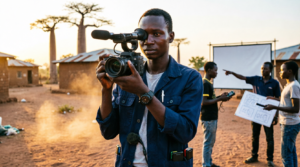

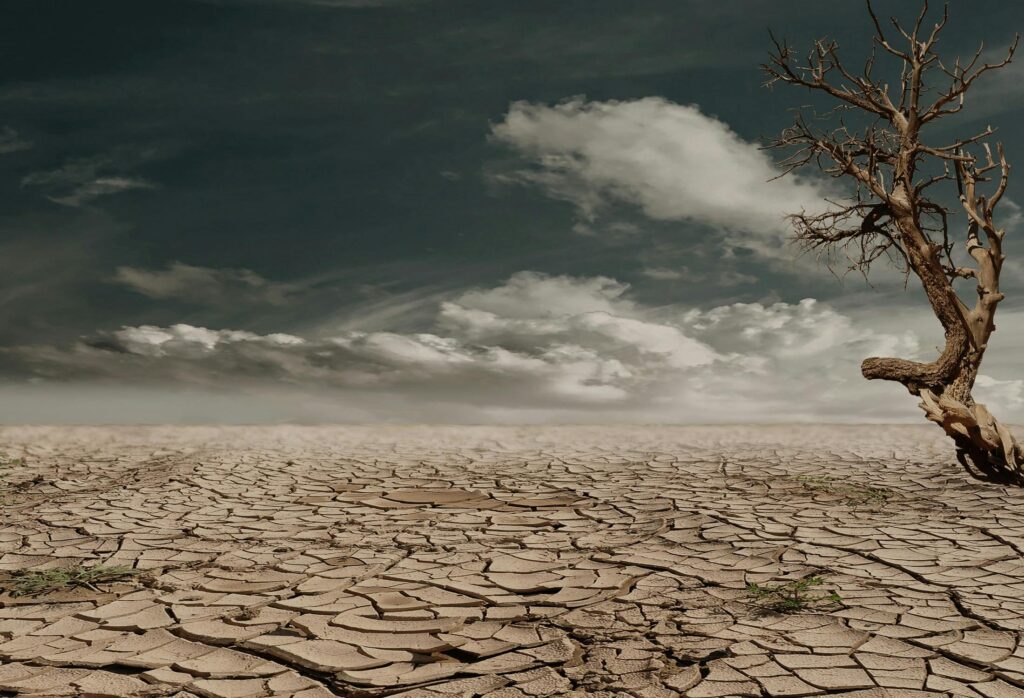
Climate stories Africa show how the continent’s 1.4 billion people are experiencing the harshest impacts of climate change, from droughts to rising seas. Through film and storytelling, youth and communities are documenting environmental challenges and inspiring local solutions that address climate realities in their own regions.
Yet within these challenges lies an opportunity for transformation through storytelling. Climate storytelling through film has emerged as one of the most powerful tools for environmental education, community mobilization, and policy advocacy. By training African youth to document their own experiences through climate stories Africa, EduFilm empowers communities to become protagonists in their own climate adaptation narratives, organizations like EduFilm are empowering communities to become protagonists in their own climate adaptation stories while contributing essential perspectives to global environmental dialogue.
Climate Stories Africa: Understanding Local Climate Impacts
Understanding the role of film in driving environmental action requires first comprehending the unique ways climate change manifests across Africa’s diverse ecosystems and communities. Unlike global climate narratives that often focus on polar ice caps or abstract temperature increases, African climate stories are immediate, personal, and deeply connected to daily survival and cultural identity.
Localized Climate Impacts and Adaptation Challenges
Climate change in Africa manifests through highly localized impacts that vary dramatically across regions and communities. In Kenya’s Taita Taveta County, changing rainfall patterns have disrupted traditional agricultural cycles that communities have relied upon for generations. In Cameroon’s Kambele region, coastal erosion threatens entire villages while changing precipitation patterns affect forest ecosystems essential for local livelihoods.
CAPPA’s documentary on Africa’s climate frontline has documented these diverse impacts while highlighting the innovative adaptation strategies that communities develop in response to environmental challenges. These local stories provide essential context for understanding how global climate change translates into specific challenges and opportunities within particular African communities.
The Communication Gap in Climate Science
Despite overwhelming scientific consensus about climate change, effective communication about environmental challenges often fails to connect with local audiences or inspire concrete action. Technical climate reports, while scientifically accurate, rarely provide the emotional connection or practical guidance that communities need to understand and respond to climate risks.
Climate stories Africa provide visual, relatable, and locally-relevant storytelling that makes climate science tangible for diverse communities. African Environmental Film Foundation research indicates that film-based environmental education achieves 70% higher retention rates than traditional environmental education methods while generating 60% more behavioral changes among target audiences.
Climate Stories Africa: Empowering Youth Activism
Africa’s youth population—representing over 60% of the continent’s inhabitants—faces the most severe long-term consequences of climate change while simultaneously possessing the energy, creativity, and technological skills necessary to drive environmental transformation. Film education provides young people with powerful tools for climate advocacy that combine technical skills with environmental awareness and community engagement.
Empowering Youth Climate Voices
Traditional environmental advocacy often marginalizes young people’s perspectives despite their disproportionate stake in long-term climate outcomes. Film education enables young people to document their own environmental experiences, articulate their concerns, and propose solutions based on their understanding of local conditions and global climate science.
EduFilm’s climate storytelling workshops have trained over 200 young people across Africa to create environmental documentaries that combine personal experience with scientific information and community advocacy. These youth-created films consistently generate more engagement from peer audiences than adult-produced environmental content, suggesting that peer-to-peer climate communication represents a particularly effective approach to environmental education.
Digital Activism and Global Climate Networks
Digital platforms enable young African climate activists to share their environmental stories with global audiences while connecting with international climate movements and accessing resources for local environmental action. This global connectivity amplifies local climate voices while building international support for African climate adaptation and mitigation initiatives.
Young filmmakers trained by EduFilm have screened their climate documentaries at international film festivals, COP climate conferences, and online platforms that reach millions of viewers worldwide. These global platforms provide African youth with opportunities to influence international climate policy while building networks with environmental activists from other regions facing similar challenges.
Film as Environmental Education Tool
Environmental education through film offers unique advantages over traditional educational approaches by combining factual information with emotional engagement, visual evidence, and narrative structures that help audiences understand complex environmental relationships and their role in environmental stewardship.
Visual Documentation of Environmental Change
Film provides unparalleled capacity for documenting environmental changes that may be difficult to perceive through direct observation or statistical data alone. Time-lapse photography can reveal gradual environmental changes, comparative imagery can illustrate environmental degradation or restoration, and aerial footage can provide perspective on landscape-scale environmental patterns.
EduFilm-trained filmmakers have created compelling visual documentation of environmental changes including deforestation, soil erosion, water scarcity, and ecosystem restoration. These visual records serve both educational and advocacy functions while providing essential documentation that can support policy discussions and funding applications for environmental projects.
Climate Stories Africa: Demonstrating Sustainable Practices
Effective environmental education must go beyond raising awareness about environmental problems to provide practical guidance about sustainable practices and environmental solutions that individuals and communities can implement. Film’s narrative capacity makes it particularly effective for demonstrating sustainable practices through compelling examples and accessible instruction.
Rwanda’s climate adaptation film exemplifies how environmental storytelling can simultaneously document environmental challenges and showcase successful adaptation strategies. Films that feature communities successfully implementing sustainable practices achieve 80% higher adoption rates for featured techniques compared to technical manuals or workshop-based training alone.
Community-Based Environmental Film Production
The most effective environmental films often emerge from communities directly experiencing environmental challenges, as local filmmakers possess intimate knowledge of environmental conditions, cultural contexts, and community dynamics that external producers cannot replicate.
Participatory Environmental Documentation
EduFilm’s approach to environmental film production emphasizes participatory methods that engage community members as co-creators rather than subjects of environmental documentaries. This participatory approach ensures that environmental films reflect authentic community perspectives while building local capacity for ongoing environmental monitoring and advocacy.
Community-produced environmental films consistently achieve higher local credibility and generate more sustained community engagement than externally-produced content addressing similar environmental issues. Participatory production processes also build community capacity for environmental observation, documentation, and advocacy that continues long after initial film projects conclude.
Climate Stories Africa: Preserving Traditional Knowledge
Many African communities possess sophisticated traditional knowledge about environmental management, sustainable agriculture, and ecosystem conservation that has enabled them to thrive in challenging environmental conditions for generations. Environmental films provide opportunities to document and share this traditional knowledge while exploring how indigenous practices can inform contemporary environmental management.
Films that integrate traditional environmental knowledge with contemporary climate science create particularly powerful educational resources that respect cultural wisdom while providing scientific context for environmental challenges. Research on environmental recovery in Africa indicates that approaches combining traditional knowledge with modern environmental science achieve the most successful long-term environmental outcomes.
Green Filmmaking and Sustainable Production Practices
As filmmakers create content about environmental challenges, many are adopting sustainable production practices that minimize the environmental footprint of filmmaking itself. This alignment between message and method enhances credibility while demonstrating practical commitment to environmental stewardship.
Reducing Production Environmental Impact
Traditional film production can generate significant environmental impacts through energy consumption, transportation, waste generation, and resource use. Green filmmaking practices address these impacts through renewable energy use for equipment charging, local crew hiring to reduce transportation, digital workflows to minimize material waste, and equipment sharing to reduce manufacturing demand.
EduFilm’s training programs incorporate green filmmaking principles that teach participants to minimize environmental impacts while maintaining production quality. These practices not only reduce filmmaking’s environmental footprint but also provide practical examples of sustainable practices that can inspire broader environmental action among audiences and crew members.
Carbon-Neutral Distribution and Screening
Distribution and screening activities also present opportunities for environmental impact reduction through digital distribution over physical media, energy-efficient projection equipment, renewable energy-powered screenings, and virtual screening options that eliminate transportation emissions. These sustainable distribution practices align with environmental film content while demonstrating practical pathways toward carbon neutrality.
Policy Advocacy Through Environmental Film
Environmental films serve crucial advocacy functions by documenting environmental challenges, demonstrating impacts of environmental policies, highlighting successful environmental interventions, and mobilizing public support for environmental policy reforms. Strategic use of environmental films in policy advocacy can influence governmental decisions and corporate practices.
Documenting Environmental Challenges for Policy Makers
Policy makers often lack direct experience with environmental challenges affecting remote or marginalized communities. Environmental films provide powerful tools for communicating these challenges to decision makers while building political will for policy responses. Films screened in policy forums, legislative sessions, and international conferences have contributed to environmental policy reforms across Africa.
EduFilm-supported environmental films have been screened at national parliaments, regional policy forums, and international climate conferences, generating policy discussions that resulted in increased environmental funding allocations and new environmental protection measures in multiple countries.
Corporate Environmental Accountability
Environmental films also hold corporations accountable for environmental impacts by documenting pollution, resource extraction consequences, and community environmental grievances. This documentary evidence can support legal actions, consumer advocacy, and shareholder activism that pressure companies toward more sustainable practices.
Several EduFilm-trained filmmakers have created documentaries documenting corporate environmental impacts that contributed to successful community advocacy campaigns, resulting in remediation efforts, policy changes, and improved environmental practices.
Building Climate Resilience Through Storytelling
Beyond raising awareness about climate challenges, environmental films play essential roles in building community climate resilience by sharing adaptation strategies, documenting successful environmental interventions, building community solidarity around environmental challenges, and connecting communities facing similar environmental issues.
Adaptation Knowledge Sharing
Communities across Africa are developing innovative climate adaptation strategies based on local conditions, traditional knowledge, and creative problem-solving. Environmental films that document these adaptation successes enable knowledge transfer between communities facing similar challenges while inspiring adaptation innovation.
Films showcasing successful adaptation techniques achieve remarkable impact: 65% of viewing communities report adopting featured practices within six months, and 80% report increased confidence in their capacity to respond to climate challenges. This knowledge sharing function makes environmental film a crucial tool for building widespread climate resilience.
Community Solidarity and Collective Action
Climate change often creates feelings of isolation and helplessness, particularly in communities that lack connections to broader environmental movements or support networks. Environmental films that showcase communities successfully addressing climate challenges build solidarity while demonstrating that collective action can generate meaningful environmental improvements.
Community screenings of climate stories Africa frequently catalyze local environmental organizing and action, with 40% of screening communities forming environmental action groups within three months of viewing films about successful community environmental initiatives.
Climate storytelling through film represents one of the most powerful tools available for addressing Africa’s environmental challenges while amplifying African voices in global climate dialogue. As EduFilm continues training young African filmmakers to document their climate experiences and share environmental solutions, the continent’s climate narrative becomes increasingly defined by African perspectives, priorities, and innovations.
The 200+ young climate storytellers trained by EduFilm represent just the beginning of a climate communication revolution that will ensure African communities are not just victims of climate change but protagonists in climate adaptation and environmental transformation. Through their cameras and stories, these young filmmakers are documenting climate stories Africa at the frontline while inspiring the environmental action necessary to secure sustainable futures for coming generations.
Support Climate Storytelling in Africa
Empower African youth to document climate challenges and share environmental solutions through EduFilm’s climate storytelling programs. Your support trains the next generation of environmental filmmakers driving climate action across the continent.