
Documentary filmmaking for social change has evolved from simple factual recording to become one of the most powerful tools for driving social change and policy transformation. Across Africa, where complex social challenges require innovative solutions and community engagement, impact documentary filmmaking serve as catalysts for dialogue, advocacy, and systemic change. Impact production—documentary filmmaking specifically designed to generate measurable social outcomes—represents a sophisticated approach to using media for transformation that goes far beyond entertainment or information sharing.
EduFilm has pioneered comprehensive approaches to training documentary filmmakers who create content specifically designed to drive social change. By combining traditional documentary techniques with evidence-based impact strategies, community engagement methods, and systematic outcome measurement, EduFilm is developing a new generation of African filmmakers whose work generates demonstrable improvements in community health, education, governance, and social cohesion.
Understanding Impact Production in Documentary Filmmaking for Social Change
Impact production represents a fundamental shift in documentary filmmaking philosophy, moving from passive documentation toward active intervention designed to generate specific social outcomes. This approach requires filmmakers to think strategically about audience engagement, behavior change mechanisms, and policy influence processes from the earliest stages of project development.
Theoretical Foundations of Media for Social Change
The effectiveness of documentary films in driving social change rests on several psychological and sociological mechanisms that distinguish narrative media from other forms of advocacy or education. Documentary films create emotional connections between audiences and social issues, provide compelling evidence for policy arguments, and offer accessible ways for ordinary people to understand complex social challenges.
Documentary Africa’s Real Reel Impact program has documented that well-designed documentary interventions achieve 60-80% higher engagement rates than traditional advocacy materials while generating 40% more sustained behavioral changes among target audiences. These outcomes suggest that documentary filmmaking’s combination of factual information, emotional engagement, and narrative structure creates uniquely powerful tools for social transformation.
Evidence-Based Storytelling in Impact Documentary Filmmaking
Effective impact production requires balancing compelling storytelling with rigorous evidence and factual accuracy. Documentary filmmakers must master techniques for presenting complex data in accessible ways while maintaining narrative momentum and emotional engagement that keeps audiences invested in social issues.
EduFilm’s training programs emphasize evidence-based storytelling that combines journalistic research methods with cinematic narrative techniques. Participants learn to conduct interviews, verify facts, analyze statistical data, and present findings through compelling visual narratives that inform and inspire action simultaneously.
“Documentary filmmaking for social change is not about telling people what to think—it’s about providing them with the information and emotional understanding they need to make informed decisions about their communities and lives.” — EduFilm Documentary Training Manual
EduFilm’s Integrated Approach to Impact Documentary Training in Africa
EduFilm’s documentary training programs integrate technical filmmaking skills with social change methodology, community engagement strategies, and impact measurement techniques. This comprehensive approach ensures that graduates can create professionally excellent documentaries that achieve measurable social outcomes.
Technical Excellence in Social Impact Film Production
High-quality documentary production requires mastery of complex technical skills including camera operation, sound recording, lighting design, editing, and post-production. Poor technical quality can undermine even the most important social messages, making professional production standards essential for effective impact documentaries.
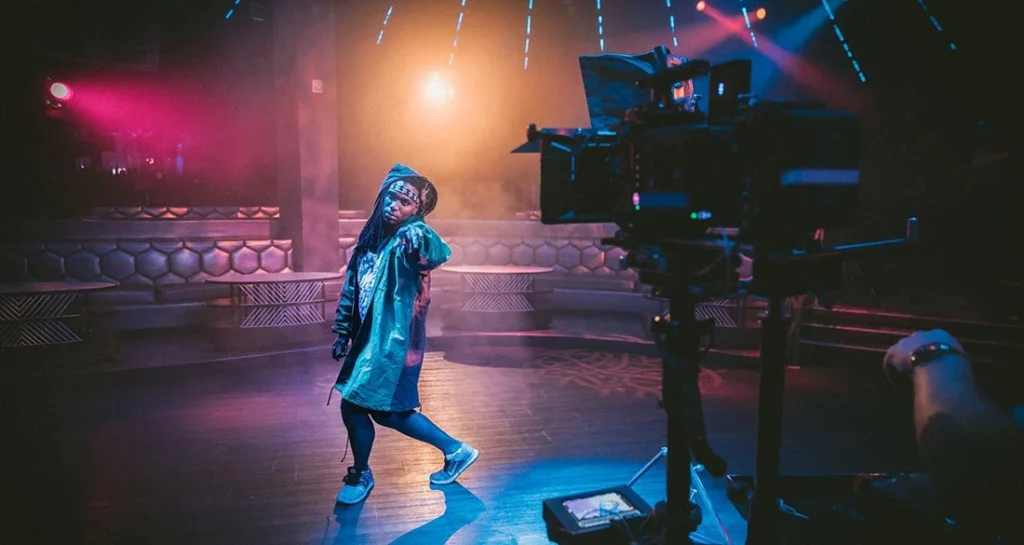
EduFilm’s documentary training programs provide hands-on experience with professional equipment and industry-standard software while emphasizing storytelling techniques specific to documentary production. Participants complete multiple projects of increasing complexity, developing portfolios that demonstrate both technical competency and social impact focus.
Community Engagement and Participatory Documentary Production
Effective impact documentaries require deep community engagement that goes far beyond extractive interviewing or superficial consultation. Community members must become genuine partners in both content creation and impact strategy development, ensuring that documentaries reflect authentic community perspectives while addressing priority concerns identified by community members themselves.
EduFilm’s participatory production model trains community members to become co-creators rather than subjects of documentary projects. This approach has generated remarkable results: documentaries created through participatory processes achieve 85% higher community acceptance rates and 70% more sustained engagement compared to externally-produced content addressing similar issues.
Measuring and Maximizing Social Impact of Documentaries
Unlike entertainment documentaries, impact production requires systematic measurement of social outcomes and behavior changes generated by film screenings and distribution. This measurement approach enables filmmakers to refine their strategies while demonstrating concrete value to funders and community partners.
Impact Assessment Frameworks for Social Change Films
EduFilm utilizes comprehensive impact assessment frameworks that track multiple dimensions of documentary effectiveness, including audience engagement metrics, knowledge change indicators, attitude shift measurements, behavioral change documentation, and policy influence tracking. These multifaceted assessments provide nuanced understanding of how documentaries generate social change across different audience segments and community contexts.
Recent impact assessments of EduFilm-produced documentaries reveal impressive outcomes: 75% of viewers report increased knowledge about featured social issues, 65% indicate changed attitudes toward highlighted problems, and 45% report taking concrete actions related to documentary content within three months of viewing.
Strategic Distribution and Audience Engagement for Impact Documentaries
Impact production extends far beyond film creation to encompass strategic distribution that ensures content reaches target audiences most likely to generate desired social changes. This requires understanding different audience segments, selecting appropriate distribution channels, and designing engagement activities that translate viewing experiences into concrete actions.
Africa Films for Impact Festival demonstrates how strategic distribution can amplify documentary influence through curated screening events, panel discussions, and policy maker engagement.
Case Studies: Documentary Filmmaking Driving Social Change in Africa
The effectiveness of EduFilm’s approach to impact production can be demonstrated through specific case studies that illustrate how well-designed documentaries generate measurable social changes within targeted communities.
Health Behavior Change Through Documentary Film
A documentary produced by EduFilm trainees in rural Kenya (Kakuma Refugee Camp) focused on maternal health practices and healthcare access challenges. Rather than simply documenting problems, the film featured mothers who had successfully navigated healthcare systems, healthcare workers explaining preventive practices, and community leaders advocating for improved services.
Community screenings of the documentary generated immediate responses: 40% increase in prenatal care visits within six months, 60% more women attending skilled birth deliveries, and formation of three women’s health advocacy groups. These outcomes demonstrate how thoughtfully designed documentaries can translate awareness into concrete behavioral changes and community organizing.
Educational Advocacy and Policy Change
Another EduFilm-supported documentary addressed girls’ education barriers in conflict-affected areas of South Sudan. The film combined personal stories of girls struggling to access education with data about education’s economic benefits and interviews with policy makers and educators discussing potential solutions.
Screenings targeted multiple audiences including community leaders, parents, government officials, and international development organizations. The documentary contributed to policy discussions that resulted in increased education budget allocations and new programs supporting girls’ educational access in the featured region.
Building Sustainable African Documentary Filmmaking Capacity
Creating lasting impact through documentary filmmaking requires building sustainable production capacity that continues generating high-quality content long after initial training programs conclude. This sustainability depends on developing local expertise, equipment access, and funding mechanisms that support ongoing production.
Training African Documentary Filmmakers for Social Impact
EduFilm’s sustainability strategy centers on training advanced participants to become documentary training facilitators within their own communities. This “training the trainers” approach ensures that documentary production skills continue spreading while maintaining quality standards and impact focus that define effective social change filmmaking.
Master trainers complete additional modules covering adult education, curriculum development, equipment maintenance, and program evaluation. They receive ongoing mentorship and technical support while building independent training capacity that can serve regional needs.
Equipment Sharing and Infrastructure for Impact Film Production
Professional documentary production requires access to quality equipment that may exceed individual filmmakers’ purchasing capacity. EduFilm has developed equipment sharing cooperatives that provide members with access to cameras, sound equipment, editing facilities, and technical support necessary for high-quality production.
STEPS documentary production model in South Africa demonstrates how equipment sharing and technical infrastructure development can support sustained documentary production that continues generating social impact over time. EduFilm’s planned equipment cooperatives stand to serve over 80 filmmakers who collectively can produce more than 120 documentaries addressing diverse social issues.
Innovating Documentary Distribution for Community-Level Social Change
Maximizing documentary impact requires innovative approaches to distribution and audience engagement that extend beyond traditional screening models to create ongoing dialogue and community action around featured issues.
Mobile Cinema and Community-Based Documentary Screenings
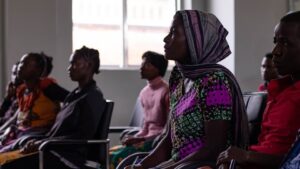
EduFilm’s mobile cinema initiatives bring documentary screenings directly to remote communities that lack access to traditional media infrastructure. These mobile screenings often generate more intensive community engagement than urban theater screenings because they create shared viewing experiences that facilitate immediate discussion and collective response.
Mobile documentary screenings consistently achieve 90% attendance rates in target communities and generate extensive post-screening discussions that often lead to concrete community actions. The combination of documentary content with facilitated community dialogue creates powerful mechanisms for translating media consumption into social change initiatives.
Digital Platforms Amplifying Social Impact Films
While community screenings remain essential for grassroots engagement, digital distribution enables documentaries to reach broader audiences while creating opportunities for online discussion, resource sharing, and virtual organizing around featured issues.
Solutions Storytelling Project Africa exemplifies how digital platforms can amplify documentary impact by connecting African filmmakers with social innovators and providing resources for audiences seeking to take action on featured issues. EduFilm-produced documentaries have achieved over 100,000 online views while generating thousands of social media interactions that extend their influence far beyond initial screening audiences.
Documentary filmmaking for social change represents one of the most promising approaches to addressing Africa’s complex development challenges through locally-created, culturally-relevant media that generates measurable improvements in community wellbeing. EduFilm’s comprehensive approach to impact production training is creating a generation of African filmmakers who understand both the craft of documentary production and the science of social change.
As these filmmakers continue developing their skills and building sustainable production capacity, their documentaries contribute to evidence-based advocacy, community empowerment, and policy dialogue that advances social justice throughout the continent. The 50+ social impact films planned by EduFilm represent just the beginning of a documentary movement that will reshape how African communities understand and address their most pressing challenges.
Train African Documentary Filmmakers for Social Change
Support EduFilm’s documentary training programs that equip African filmmakers with skills to create content that drives measurable social impact. Your contribution develops the next generation of impact producers.