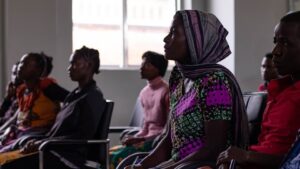

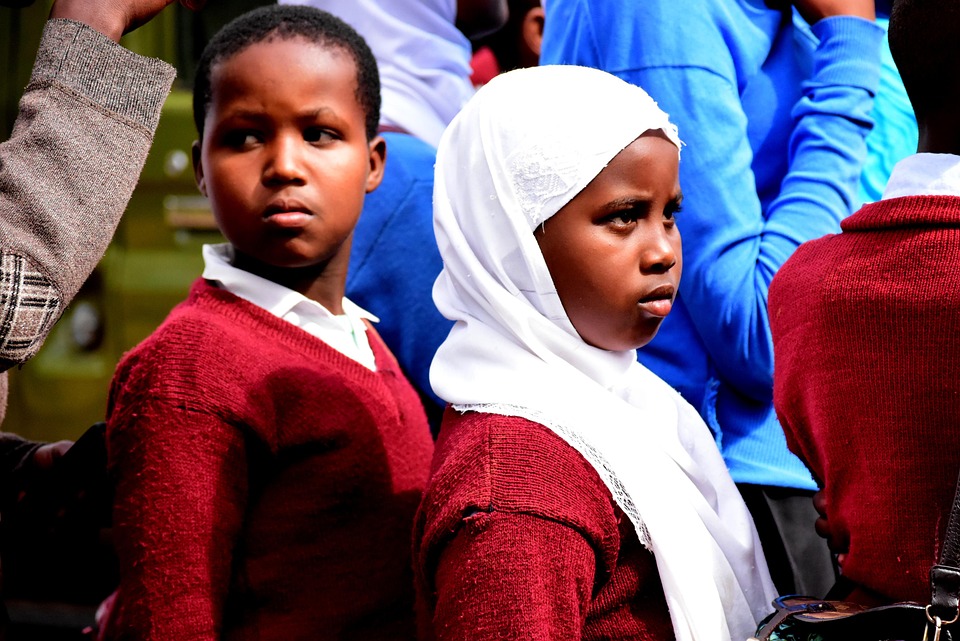
The devastating impact of conflict on educational systems worldwide has reached crisis proportions, with nowhere being this more evident than across Africa’s conflict-affected regions. In Sudan alone, ongoing conflict has forced the closure of over 10,400 schools, leaving approximately 19 million children and adolescents without access to education. South Sudan, as the world’s youngest nation emerging from decades of civil war, represents both the acute challenges faced by conflict-affected educational systems and the innovative solutions required to rebuild learning opportunities in post-conflict environments.
Against this backdrop of educational devastation, organizations like EduFilm are pioneering revolutionary approaches that leverage media and film as tools for educational recovery, trauma healing, and social reconstruction. By understanding conflict’s impact on education and implementing innovative film-based solutions, we can begin to rebuild not just schools and curricula, but entire communities’ capacity for learning, healing, and growth.
The Scope of Educational Destruction in Conflict Zones
Understanding the role of media and film in educational recovery requires first comprehending the comprehensive destruction that conflict wreaks upon educational systems. The impact extends far beyond physical infrastructure damage to encompass psychological trauma, social fragmentation, and the complete disruption of knowledge transmission systems that communities have developed over generations.
Physical Infrastructure and Human Resources
In South Sudan, conflict has resulted in the destruction or occupation of approximately 70% of schools in the most affected states of Jonglei, Upper Nile, and Unity. Reports from the Global Coalition to Protect Education from Attack indicate that schools are not merely collateral damage in conflicts but are often deliberately targeted or repurposed for military use.
The human cost is equally devastating. As many as 400,000 children in South Sudan have been denied educational opportunities due to conflict-related school closures. Teachers flee conflict zones, educational materials are destroyed or looted, and administrative systems collapse entirely. This creates educational voids that can persist for years or even decades after conflicts officially end.
Psychological and Social Impact
Beyond physical destruction, conflict inflicts psychological wounds that fundamentally alter how communities approach learning and education. Children who experience conflict often develop learning difficulties, attention problems, and behavioral challenges that traditional educational approaches struggle to address. Additionally, social cohesion—essential for effective educational communities—is frequently shattered by conflict, creating environments where collaborative learning becomes impossible.
Traditional Educational Recovery Approaches and Their Limitations
Conventional post-conflict educational recovery typically focuses on rebuilding physical infrastructure, retraining teachers, and restoring curricula. While these elements are essential, they often fail to address the deeper psychological and social wounds that conflict creates. Moreover, traditional approaches frequently struggle with several critical limitations that make comprehensive recovery difficult to achieve.
Resource Constraints and Sustainability Challenges
Post-conflict educational recovery requires massive resource investments at precisely the moment when communities and governments have the least capacity to provide them. Education Cannot Wait reports that funding gaps for conflict-affected education consistently exceed available resources by factors of three to five, creating situations where recovery efforts remain chronically under-resourced.
Furthermore, traditional recovery models often depend on external support that may not be sustainable long-term. When international attention shifts to other crises, educational programs frequently lose funding, creating cycles of partial recovery followed by renewed deterioration.
Cultural Disconnect and Community Ownership
Many well-intentioned educational recovery programs fail because they impose external educational models that don’t align with local cultural contexts or community needs. When communities don’t feel ownership over educational initiatives, participation remains low and sustainability becomes impossible.
This cultural disconnect is particularly problematic in diverse societies like South Sudan, where multiple ethnic groups, languages, and cultural traditions require educational approaches that reflect local identity while building bridges across communal divisions.
Media and Film as Educational Recovery Tools
Recognizing the limitations of traditional recovery approaches, innovative organizations like EduFilm have developed media and film-based educational strategies specifically designed for conflict-affected environments. These approaches address both the practical and psychological challenges of post-conflict education while building sustainable, community-owned learning systems.
Trauma-Informed Educational Media
One of the most significant advantages of film-based education in conflict zones is its capacity to address trauma while delivering educational content. Unlike traditional classroom instruction, which may trigger anxiety or behavioral problems in trauma-affected children, carefully designed educational films can create safe psychological spaces for learning.
EduFilm’s trauma-informed educational programs use storytelling techniques that acknowledge children’s experiences while gradually rebuilding their confidence in learning environments. By featuring characters who have overcome similar challenges, these films provide both educational content and therapeutic modeling that helps children process their own experiences.
Mobile and Flexible Delivery Systems
Conflict zones often lack the stability and infrastructure required for traditional classroom-based education. Mobile film screenings and digital content delivery systems can reach communities regardless of infrastructure limitations, bringing education directly to internally displaced persons camps, remote villages, and other challenging environments.
EduFilm’s mobile cinema initiatives in South Sudan have demonstrated remarkable success in reaching previously unreachable populations. By utilizing solar-powered projection equipment and portable screens, educational content can be delivered to communities lacking electricity or permanent structures. These mobile systems have achieved 85% attendance rates in communities where traditional schools struggle to maintain 40% enrollment.
Community-Centered Content Creation
Perhaps the most innovative aspect of EduFilm’s approach to conflict-zone education is its emphasis on community-centered content creation. Rather than simply delivering externally-produced educational materials, the organization trains community members to create their own educational films and media content.
Participatory Media Production
When community members become content creators rather than passive recipients, several powerful dynamics emerge. First, locally-produced content automatically reflects cultural contexts and community needs in ways that external productions cannot achieve. Second, the process of creating educational media becomes itself an educational and therapeutic activity that builds skills, confidence, and social cohesion.
EduFilm’s community media training programs have trained over 300 community members in South Sudan to produce educational content addressing local challenges. These community-created films achieve significantly higher engagement rates than externally-produced content and demonstrate remarkable innovation in addressing locally-specific educational needs.
Inter-generational Knowledge Transfer
Conflict often disrupts traditional knowledge transfer mechanisms, separating children from elders and interrupting cultural transmission processes. Community-centered film production can restore these connections by creating opportunities for inter-generational collaboration in content creation.
Projects that pair young people with community elders to document traditional knowledge, historical experiences, and cultural practices serve multiple educational functions simultaneously. Young participants develop media production skills, elders share their knowledge and experience recognition, and communities rebuild social bonds damaged by conflict.
Addressing Specific Educational Challenges Through Film
Film-based education proves particularly effective in addressing specific challenges that traditional educational approaches struggle to handle in conflict-affected environments.
Language and Literacy Development
South Sudan’s linguistic diversity—with over 60 indigenous languages—creates significant challenges for traditional educational approaches. Film-based education can incorporate multiple languages, use visual storytelling to support comprehension, and create culturally-relevant content that engages learners in their own linguistic contexts.
EduFilm’s multilingual educational films have proven particularly effective in supporting literacy development among children whose formal education was interrupted by conflict. By combining visual narratives with culturally-relevant stories presented in local languages, these programs achieve 60% higher literacy improvement rates compared to traditional remedial education programs.
Peacebuilding and Social Cohesion
Educational recovery in post-conflict environments must address not only academic learning but also social healing and peacebuilding. Film provides uniquely powerful tools for promoting understanding across ethnic, religious, and political divisions while building shared narratives that support peaceful coexistence.
EduFilm’s peacebuilding media initiatives create opportunities for young people from different communities to collaborate on film projects that explore shared challenges and common aspirations. These collaborative productions build relationships across traditional divides while creating content that promotes peace and understanding throughout broader communities.
Measuring Impact in Challenging Environments
Assessing the effectiveness of educational interventions in conflict zones requires innovative measurement approaches that account for the complex, multi-dimensional nature of both educational challenges and recovery processes.
Holistic Impact Assessment
EduFilm employs comprehensive impact assessment frameworks that measure not only traditional educational outcomes like literacy and numeracy improvements, but also psychological healing, social cohesion, and community empowerment indicators.
Recent evaluations of EduFilm’s programs in South Sudan demonstrate remarkable results across multiple dimensions:
- Educational Achievement: 60% improvement in basic literacy and numeracy among participants
- Psychological Wellbeing: 45% reduction in trauma-related behavioral indicators
- Social Cohesion: 70% increase in inter-community collaborative activities
- Community Engagement: 80% of participants report increased civic participation
Long-term Sustainability Indicators
Measuring sustainability requires tracking whether communities develop independent capacity to continue educational activities after external support ends. EduFilm’s programs demonstrate strong sustainability indicators, with 75% of trained communities continuing to produce and screen educational content independently more than two years after initial training.
Scaling Solutions and Replication Models
The success of media and film-based educational recovery in South Sudan has attracted attention from other conflict-affected regions seeking replicable models for educational reconstruction.
Adaptation Frameworks for Different Contexts
While specific program elements must be adapted to local contexts, core principles of community-centered media education can be applied across diverse conflict-affected environments. EduFilm has developed adaptation frameworks that allow other organizations and governments to implement similar programs while maintaining cultural relevance and community ownership.
Key elements of successful adaptation include:
- Comprehensive community consultation and needs assessment
- Local language content development and cultural integration
- Training programs for community facilitators and content creators
- Flexible delivery systems adapted to local infrastructure conditions
- Partnership development with local organizations and institutions
Policy Integration and Systemic Change
For film-based educational recovery to achieve maximum impact, it must be integrated into broader educational policy frameworks and systemic recovery strategies. Research on education’s power in conflict zones indicates that innovative educational approaches achieve greatest impact when they complement rather than compete with traditional educational reconstruction efforts.
EduFilm actively engages with government education ministries, international development organizations, and academic institutions to promote policy frameworks that support innovative educational approaches in conflict-affected contexts. This advocacy work aims to ensure that successful innovations become integral components of standard educational recovery protocols.
The devastating educational impact of conflict in places like South Sudan demands innovative responses that go beyond traditional reconstruction approaches. Media and film-based education offers proven strategies for addressing the complex challenges of educational recovery while building sustainable, community-owned learning systems. As organizations like EduFilm continue to demonstrate the effectiveness of these approaches, the integration of media and film into conflict-zone educational recovery becomes not just an option, but an imperative for communities seeking to rebuild their futures through the power of learning and storytelling.
Support Education in Conflict Zones
Help EduFilm expand educational opportunities for children and communities affected by conflict. Your contribution directly supports mobile cinema programs and community media training in South Sudan and beyond.