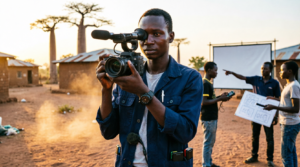

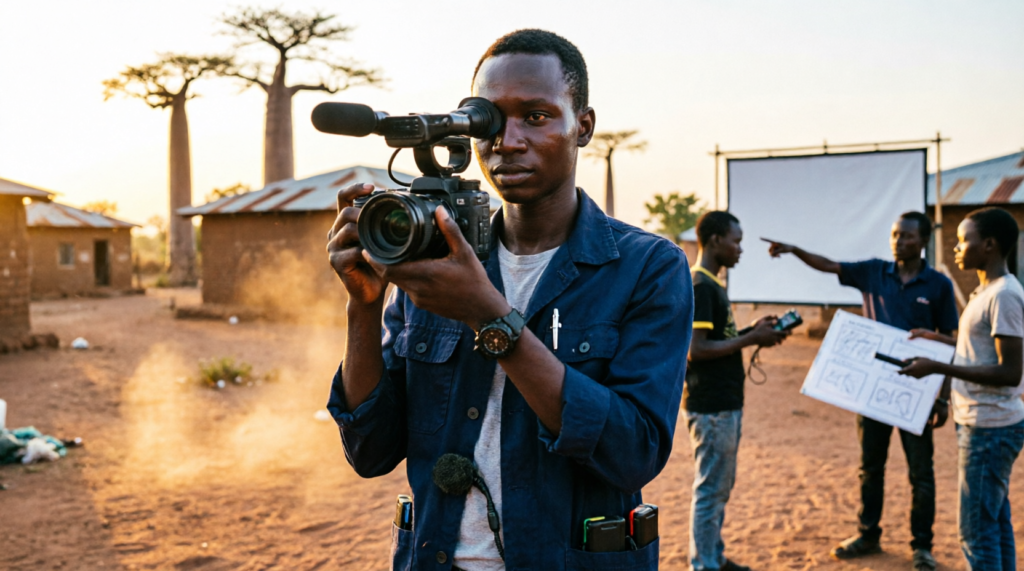
We’ve all heard the phrase, “A picture is worth a thousand words.” But in the world of international development, humanitarian aid, and community storytelling, we have to ask a more critical question: Who is holding the camera? For decades, the narrative about communities in the Global South—particularly in post-conflict regions like South Sudan—has been shaped by external voices. At EduFilm, we are flipping this script through youth media training, operating on a radical, yet simple premise: the people closest to the pain are closest to the solution, and they should be the ones directing the narrative.
This isn’t just a philosophical stance; it’s a proven methodology for psychological healing, economic empowerment, and sustainable peacebuilding. Here’s a deeper look at why equipping local youth with media tools is fundamentally changing the landscape of community development.
The Psychology of the Lens: How Youth Media Training Shifts Identity
When a young person in a marginalized community is repeatedly filmed by outsiders, they are conditioned to see themselves as a subject—a passive recipient of aid or an object of pity. But hand that same young person a camera, teach them how to frame a shot, and ask them what they want to say, and a profound psychological shift occurs. They transition from being a subject to an author.
This shift in agency is deeply therapeutic, which is why youth media training is so impactful in communities that have experienced systemic trauma or conflict. Storytelling is a recognized pathway to healing, but the healing is exponentially more powerful when the individual controls the narrative. Through these programs, participants learn to process their experiences, reframe their challenges, and highlight their community’s strengths on their own terms.
The camera becomes a tool of reclamation. It allows young filmmakers to say, “This is not just a story of what happened to us; this is a story of who we are, what we value, and where we are going.”
The Economic Ripple Effect of Youth Media Training
Let’s be honest: art and storytelling are sometimes dismissed as “soft” skills in the development sector. But in the 21st century, digital media literacy is a hard, highly lucrative economic skill. Youth media training programs are not just creating artists; they are creating digital entrepreneurs. When a young person in Juba learns video editing, sound design, scriptwriting, and digital marketing, they are acquiring a globally relevant skill set.
Consider the real-world ripple effect of this education:
- Freelance Opportunities: Graduates can immediately offer videography and editing services to local businesses, NGOs, and international organizations operating in the region.
- Remote Work Potential: Digital skills are borderless. A skilled video editor in South Sudan can collaborate with creative teams in Nairobi, London, or New York without ever leaving their home.
- Local Industry Building: As more youth enter the media space, they create a localized ecosystem of creatives. This fosters a cultural industry that can drive tourism, preserve heritage, and stimulate the local economy.
By teaching media skills, we aren’t just giving youth a voice; we are giving them a viable, future-proof livelihood.
Avoiding the Pitfalls of “Parachute Storytelling” in Youth Media Training
For educators, NGO leaders, and donors reading this, it’s crucial to recognize the ethical pitfalls of traditional documentary filmmaking in vulnerable communities. If you are looking to support or initiate a youth media training project, here is how you can ensure your approach is ethical, sustainable, and truly empowering:
- Prioritize Informed Consent, Always: Consent is not a one-time signature on a waiver. It is an ongoing conversation. Participants must understand exactly where their story will be shown, who will see it, and the potential consequences. They must also have the right to withdraw their story at any time.
- Invest in Long-Term Capacity Building: Don’t just fly in a filmmaker to shoot a documentary. Fly in a filmmaker to train five local youths to shoot the documentary alongside them. The goal is to leave behind skills, not just a finished video file.
- Compensate Local Talent: If an organization has the budget to fly in external consultants, it must have the budget to fairly compensate local youth contributors, fixers, and translators. Exploitative “exposure” is not payment.
- Share the Ownership: Whenever possible, the intellectual property and raw footage should remain with the community or the local organization, ensuring they can use it for their own advocacy and archival purposes in the future.
Redefining Success: Measuring the Impact of Youth Media Training
How do we measure the success of a youth media training program? Traditional metrics might look at the number of videos produced or the number of views on YouTube. While those are nice, they are superficial. True, lasting success looks very different on the ground.
True success looks like this:
- A 19-year-old former participant confidently pitching a documentary idea to a local cultural ministry.
- A community screening where elders and youth sit together, discussing a film made by their own neighbors, leading to a tangible local initiative (like a new community garden or a youth dialogue group).
- A young woman who, through her film about girls’ education, secures a scholarship or an internship with a regional media network.
Success is when the external organization is no longer needed because the community has internalized the tools to tell its own stories, forever.
The Path Forward: Why Youth Media Training is the Future of Development
The world does not need more saviors with cameras. It needs more allies who pass the camera to the people who have been waiting to tell their own stories. At EduFilm, we see the brilliance, resilience, and creativity of South Sudanese youth every single day. Through dedicated youth media training, we provide the resources, the mentorship, and the platform they need to speak for themselves. And when they do, the world doesn’t just listen; it learns.
The narrative is shifting, and you can be a part of this transformation. Whether you are an educator looking to integrate media into your curriculum, a donor seeking high-impact, sustainable investments, or a creative looking to collaborate, there is a role for you to play.
👉 Empower a Young Filmmaker: Your support directly funds cameras, editing software, and safe training spaces for youth in South Sudan.
👉 Partner With Us: Are you an organization that believes in localized, ethical storytelling? Let’s co-create a media project that puts community voices first.
👉 Amplify the Message: Share this article with your network. The more we talk about who holds the camera, the faster the industry will change.
👉 Partner With Us: Are you an organization that believes in localized, ethical storytelling? Let’s co-create a media project that puts community voices first.
👉 Amplify the Message: Share this article with your network. The more we talk about who holds the camera, the faster the industry will change.
The next great story isn’t going to be written about a community. It’s going to be written by them, and youth media training is the key to making sure they have the tools to tell it.