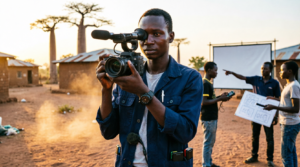

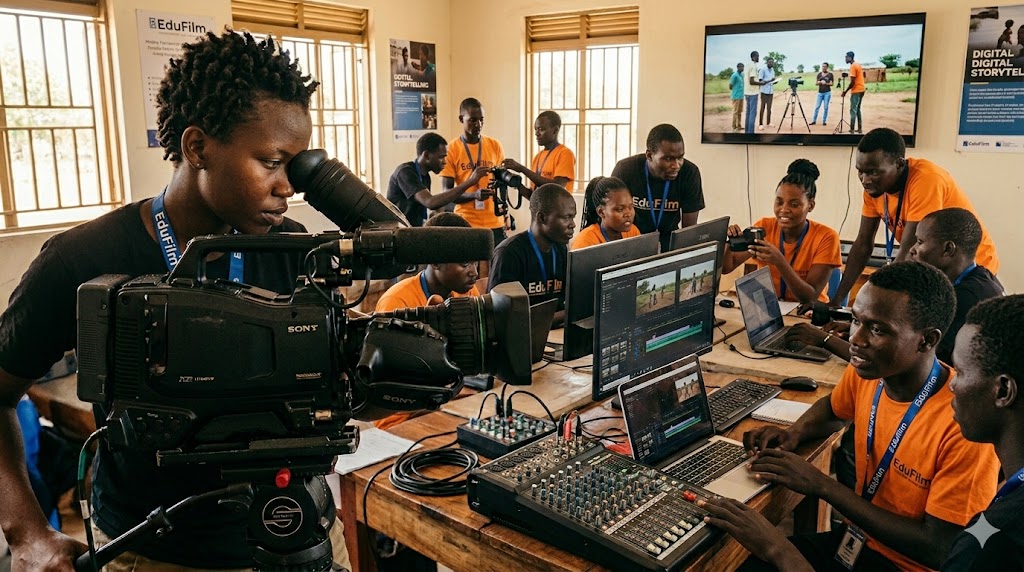
When formal education systems are fractured by conflict and instability, traditional classroom models often prove insufficient to meet the needs of a rapidly evolving digital generation. In Juba and across South Sudan, youth media training has emerged as a vital bridge for the education gap, offering unique capabilities to foster digital literacy and creative problem-solving.
From community-led media labs to intensive storytelling workshops, South Sudanese youth are discovering that digital skills are the currency of the future. EduFilm has pioneered innovative training models that combine technical production skills with critical thinking and vocational readiness, ensuring young people are equipped to lead in a digital-first economy.
The Impact of Youth Media Training in Juba
Why Media Education is Critical for Youth Development
The power of youth media training lies in its capacity to foster agency, provide professional skills, and create safe spaces for creative expression. Unlike traditional rote learning, media education encourages students to engage with their environment, analyze social dynamics, and produce content that reflects their unique perspectives on community development.
Bridging the Vocational Training Gap
Conventional education often focuses on academic theory while paying insufficient attention to the practical technical skills required in today’s job market. Comprehensive youth media training offers a complementary pathway that addresses digital proficiency, collaborative project management, and creative entrepreneurship essential for long-term youth success.
EduFilm’s media education programs demonstrate that hands-on training achieves remarkable success in building confidence and employability. By working in production teams, students learn the soft skills necessary for the modern workplace—negotiation, time management, and collective creative vision—supplementing their education with high-value vocational training.
Creating New Narratives Through Youth Engagement
One of the most valuable contributions of youth media training lies in its ability to empower youth to become “prosumers”—both consumers and producers of information. When young people master digital tools, they can challenge negative stereotypes about their communities and propose creative solutions to local issues through digital storytelling.
The shared experience of creating films together also creates strong peer networks that facilitate lifelong learning and professional support. These creative cohorts often evolve into independent production teams, creating a self-sustaining ecosystem of media professionals who continue to educate and inspire their peers.
“We are not just teaching them how to use a camera; we are teaching them that their perspective has value. In a world that often ignores them, that is the most powerful education they can receive.” — Media Educator, Juba
Scaling Youth Media Training in South Sudan
Across the region, numerous examples demonstrate how media literacy training contributes to community resilience, with documented outcomes including increased youth employment and higher levels of civic participation among program graduates.
Training the Leaders of Tomorrow
EduFilm’s approach moves beyond technical training to foster the critical thinking skills necessary for modern leadership. In 2026, the program aims to expand its reach, ensuring that even the most underserved youth have access to youth media training, digital tools, and the mentorship required to build professional careers.
Invest in Youth Media Training
Help us expand our training hubs in Juba and beyond. Your contribution provides cameras, laptops, and mentorship to young people eager to learn and lead.